Effective cable management is no longer optional. In modern electrical, industrial, and infrastructure projects, Cable Straps And Ties play a critical role in safety, performance, and long-term reliability. From simple wiring jobs to large-scale industrial installations, these small components help prevent hazards, reduce downtime, and keep systems organized. At Cabexindia, we understand that choosing the right cable management accessories directly impacts operational efficiency and compliance. This comprehensive guide is designed to help engineers, contractors, and buyers make informed decisions in 2026 and beyond.
What Are Cable Straps And Ties?
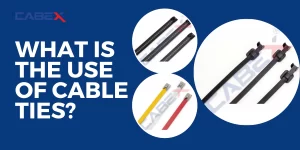
Cable Straps And Ties are fastening tools used to bundle, route, and secure cables and wires. They help maintain order, protect insulation, and ensure easy identification during maintenance.
In simple words, they:
- Keep cables organized
- Reduce mechanical stress
- Improve airflow
- Support electrical safety standards
When combined with proper accessories like cable glands and conduits, cable ties become part of a complete protection system rather than just a fastening tool.
Why Cable Management Is Critical Today
In 2026, cable systems are more complex due to automation, renewable energy projects, and digital infrastructure. Poor cable organization is one of the leading causes of electrical faults.
Recent industry insights show:
- Nearly 60–70% of panel faults are linked to poor cable routing
- Organized cabling can reduce maintenance time by up to 30%
- Safety audits increasingly check cable fastening quality
When cable ties are used along with solutions such as IP69 Cable Gland systems, installations gain higher resistance to dust, water, and vibration especially in harsh industrial environments.
Common Types of Cable Straps And Ties
Different applications require different designs. Understanding the main types helps you avoid over-engineering or under-protecting your cables.
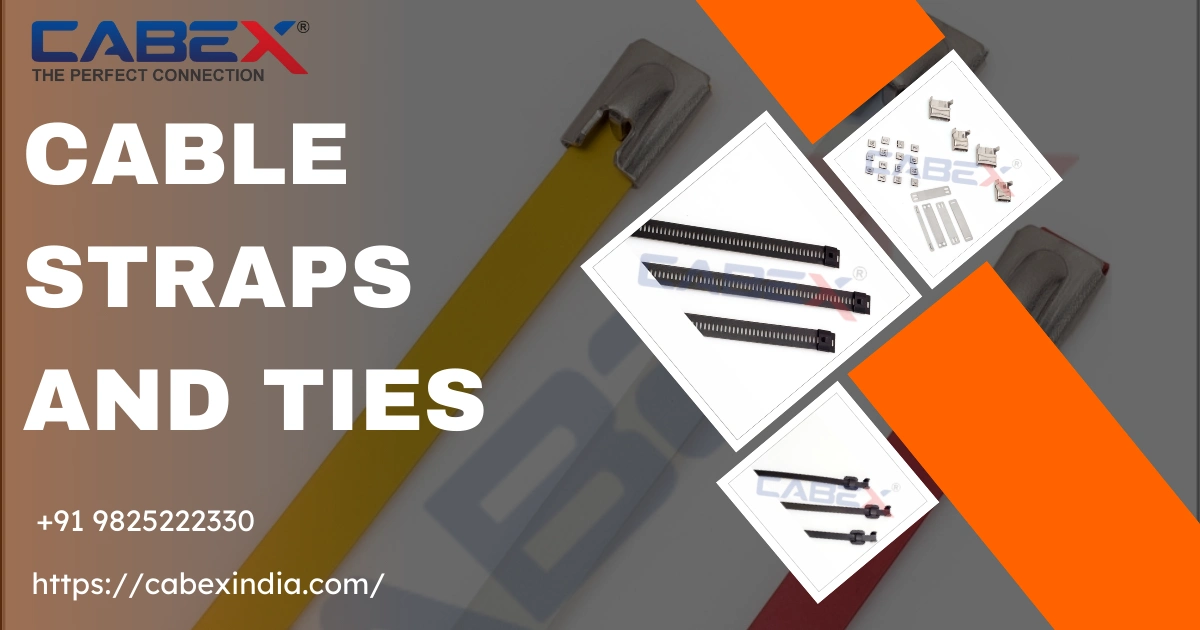
Ball Lock Type Cable Ties
These ties use a stainless-steel ball locking mechanism, offering superior tensile strength.
Best suited for:
- Heavy industrial machinery
- High-vibration environments
- Long-term, permanent installations
Ladder Type Cable Ties
Designed with a ladder-like structure, they offer flexibility while handling larger cable bundles.
Ideal for:
- Cable trays
- Power distribution systems
- Industrial control panels
Releasable Type Cable Ties
These ties can be opened and reused without cutting.
Recommended for:
- Data centers
- Temporary installations
- Frequent maintenance areas
Bands, Markers & Tags
These are essential for cable identification and maintenance tracking.
Used for:
- Phase marking
- Asset labeling
- Troubleshooting efficiency
Together, these options make Cable Straps And Ties adaptable to nearly every industry requirement.
Material Selection and Performance Factors
Choosing the right material is just as important as choosing the type.
Key Materials Used
| Material Type | Key Properties | Common Applications |
| Nylon 6/6 | Lightweight, economical | General wiring |
| UV-Stabilized Nylon | Sunlight resistant | Outdoor installations |
| Stainless Steel | Fire & heat resistant | Heavy industry |
| Halogen-Free Polymer | Low smoke, non-toxic | Public infrastructure |
At Cabexindia, materials are tested for temperature tolerance, tensile strength, and chemical resistance to ensure long service life.
Where Cable Straps And Ties Are Used
Cable Straps And Ties are used across multiple sectors, including:
- Electrical panels and switchgear
- Telecom and data centers
- Manufacturing plants
- Solar and wind energy projects
- Railways and smart city infrastructure
In many projects, cable ties work alongside conduit systems. Understanding Flexible vs Rigid Conduit Fittings helps installers choose the right fastening method inside conduits, reducing cable movement and wear.
How to Choose the Right Cable Strap or Tie
Selecting the right product depends on three main factors.
1. Load Requirement
- Light wiring → Standard nylon ties
- Heavy bundles → Ball lock or ladder type
2. Environmental Conditions
- Outdoor exposure → UV-resistant ties
- High heat → Stainless steel
- Public buildings → Halogen-free materials
3. Maintenance Frequency
- Frequent changes → Releasable ties
- Permanent installations → Non-releasable ties
Proper selection improves safety and supports systems that demonstrate How Cable Glands Ensure Safe cable entry and strain relief.
Installation Tips and Best Practices
Correct installation is essential for long-term performance.
How to install Cable Straps And Ties correctly:
- Group cables neatly before fastening
- Avoid over-tightening
- Maintain consistent spacing
- Trim excess ends cleanly
- Use markers or tags for identification
These steps reduce insulation damage and make future maintenance easier.
Comparison Table: Types and Use Cases
| Cable Tie Type | Strength Level | Reusability | Typical Use |
| Standard Nylon | Medium | No | Homes, offices |
| Ball Lock Type | Very High | No | Heavy industry |
| Ladder Type | High | No | Cable trays |
| Releasable Type | Medium | Yes | IT & data centers |
Conclusion
Though small in size, Cable Straps And Ties have a major impact on electrical safety, system organization, and long-term performance. Choosing the right type and material ensures compliance, reduces failures, and simplifies maintenance. At Cabexindia, we deliver reliable, tested, and industry-ready cable management solutions trusted by professionals across sectors.
FAQs
What are Cable Straps And Ties used for?
They secure and organize cables to improve safety and system reliability.
Which cable tie is best for outdoor use?
UV-stabilized nylon or stainless steel options perform best outdoors.
Are releasable cable ties durable?
Yes, they are suitable for light to medium loads and repeated use.
How often should cable ties be inspected?
At least once a year or during scheduled maintenance.